
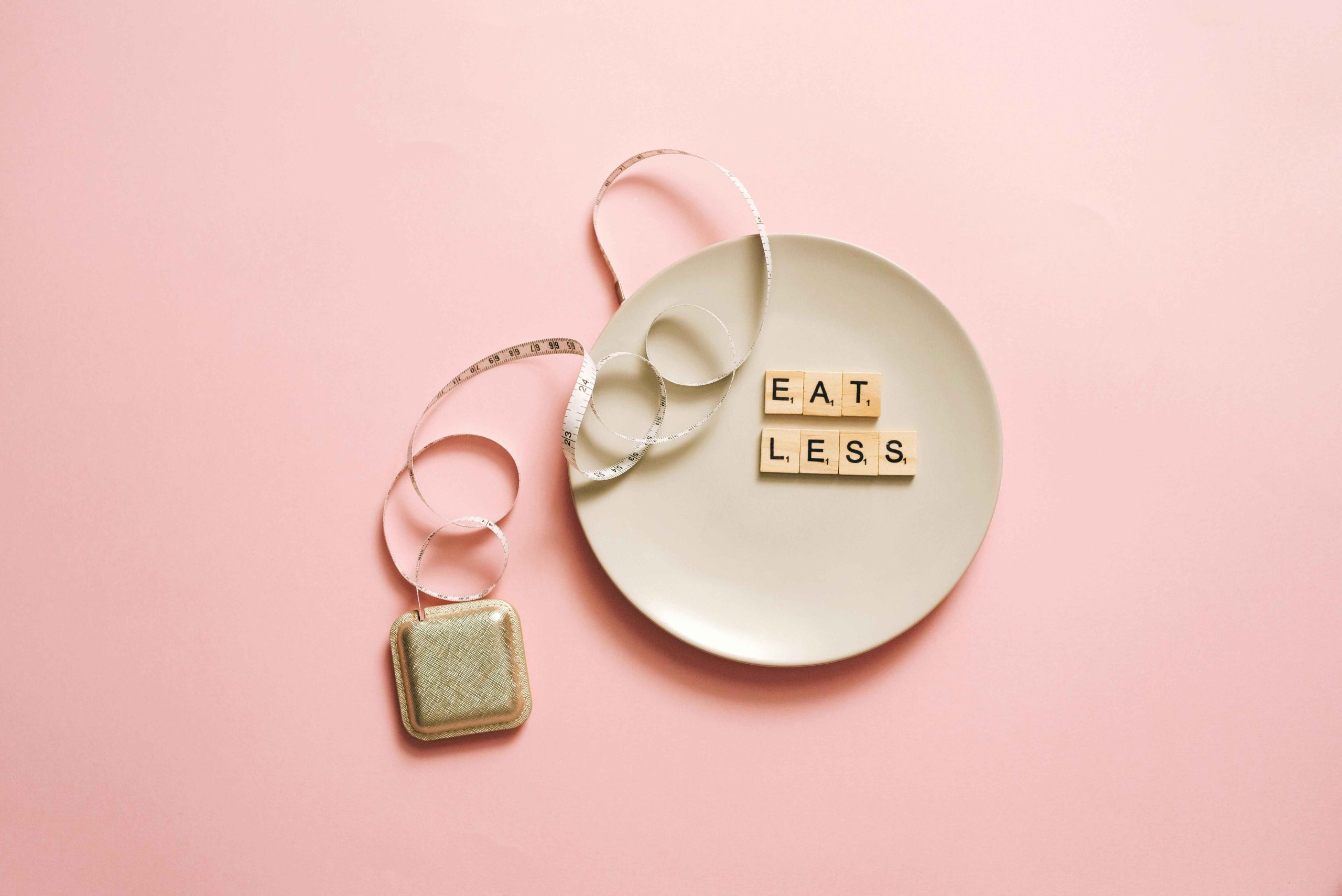
When you decide to go on an intermittent fast to lose weight, there is a lot of information online to sift through. I promise, I can summarize the info into easy, digestible parts for beginners. This article is a beginner’s guide to intermittent fasting. It will answer any follow-up questions you may have.
What is Intermittent Fasting? A Beginner’s Overview
Intermittent fasting is a method of weight loss. It works by reducing your eating window. It follows the basic rule of weight loss: eat fewer calories than you need. Many diets exist, but this one gets more scientific support daily.
Intermittent fasting is the Ferrari of diets. It needs a big initial investment. But, it’s fast and its performance speaks for itself.
Getting Started: How to Choose the Right Fasting Schedule
There are many ways of going on an intermittent fast. These are the most popular and effective:
1. 16 hour fast: 8-hour eating window (16:8)
In this method, you fast for 16 hours a day and eat for the remaining 8. For example, if you have your first meal at 11 a.m., then you should eat your last meal by 6 p.m.
2. Eat – Stop – Eat
You consume usual amounts of food for five days, then abstain for two. For example, eat your standard diet on Mondays, Wednesdays, Thursdays, Saturdays, and Sundays. Then you go on a water fast (you only take water) on Tuesdays and Fridays.
3. 5 days: 2 days
This is like option 2. You eat for 5 days. But instead of fasting for 2 days, you eat only 500 to 600 calories on those days.
Essential Tips for Success: What to Eat During Your Eating Window
Just because you are on an intermittent fast doesn’t mean you can eat anything! High-calorie foods, like soft drinks, add to your total. They make you eat the same calories, despite skipping breakfast. This beats the purpose of skipping breakfast in the first place.
You should Eat:
- Fruits and vegetables
- Non processed foods
- Healthy fats like nuts, avocados and seeds like flax of chia seeds
- Meats (unprocessed and lean)
- Legumes
- Whole grains
Staying Hydrated: What You Can Drink During Fasting
During the fasting period, you can only take things with zero calories. Examples are:
Water
Black tea/black coffee (unsweetened, that is, no sugar or honey).
Flavored water: Use zero-calorie flavors like ginger, mint, and fruit essences/extracts.
Many people confuse low-calorie foods with calorie-free options. Celery juice is low in calories. But, it negates your fast if you drink it during fasting hours.
Benefits of Intermittent Fasting: Why It Works
Caloric deficit
Every weight loss diet must create a caloric deficit to work. Intermittent fasting automatically creates a calorie deficit since your total meals are reduced by at least 1. Usually the meal removed is breakfast.
Benefits
- Metabolism boost
In most diets, the calories are reduced for an extended period of time, usually 3 to 6 weeks. This causes massive fat burning initially but after some time the body adapts to this low calories situation and fat burning is significantly reduced. In fact, at this point people start to lose muscle rather than fat in order to adapt. In intermittent fasting, the diet alternates between bouts of fasting and eating ensuring your metabolism isn’t affected much. Therefore you continue burning fat for longer and lose little to no muscle in the process.
2. It is easier to stick to
Compared to the massive restrictions on other diets where you can not eat a whole list of foods, Intermittent fasting allows all natural foods.
7-Day Intermittent Fasting Meal Plan for Beginners: Daily Breakdown
| DAY | MEAL 1 | SNACK 1 | SNACK 2 | MEAL 2 |
| 1 | Banana smoothie, 1 oat pancake and an egg | Peanuts | ½ cup watermelon | Boiled rice, spinach and chicken breast |
| 2 | Sweet corn, white coffee and an orange | Hibiscus tea | Yoghurt with chia seeds | Grilled beef/ mutton with tomato salsa and green bananas (boiled and mashed) |
| 3 | Avocado toast with black tea | Banana with peanut butter | Peanuts with black coffee | Brown chapati (flat bread) with green grams and sauteed kale |
| 4 | Spinach, cheese and scrambled eggs with orange juice | Avocado slices | Turmeric latte | Rice and beans with steamed carrots |
| 5 | Chocolate and coconut oatmeal | 1/2 cup mango slices | Cashew nuts | Mashed potatoes, braised beef and steamed vegetables |
| 6 | Berry smoothie, 2 fried eggs and strawberry | Chamomile tea | Banana with peanut butter | Brown rice with lentils and broccoli |
| 7 | Oat and brown rice porridge with stewed apples | Orange | Greek yoghurt | Pan fried chicken with sweet potato and steamed vegetables |
Here are a link to more recipes you can use to get you started:
Common Challenges for Beginners and How to Overcome Them
1. Hunger and cravings
It’s no surprise that shrinking your eating window will lead to hunger. Since you are used to eating whenever you want, skipping a meal at first may be difficult
This problem usually resolves itself with time as your body gets used to your new normal. Before you get used to your timing, you can drink water or have some herbal tea to stave off hunger and cravings.
Or, you can stay busy, especially in the last hour before your meal. This will keep you distracted at the point when hunger is at its peak.
2. Head aches and lightheadedness
These are common side effects of intermittent fasting. Going for extended periods of time without food can occur in some people. So if it happens to you, don’t panic.
Like hunger, headaches and lightheadedness usually fade after a few days of fasting. In the meantime, stay hydrated for some relief.. In the meantime, stay hydrated for some relief. If the headache is a bit more intense, you can take some over-the-counter medication.
3. Irritability
Being “hangry” is a natural part of the first days of intermittent fasting. Other mood changes, like reduced concentration, can also occur. The only way out of irritability is to recognize when it occurs and persevere through it. To help you through the period, you can distract your mind by deep breathing, yoga, or even social media.
4. Fatigue
At first, your body will feel exhausted and low on energy during your last hour or so before your meal. This happens because your body is trying to tell you that you’re running low on fuel. It usually subsides within the first week or so. Once it subsides, most people report an energy boost once their body gets used to their fasting times.